Leon Müller · 23 September 2026
Downfield Hall's Heritage Push Sparks Fresh Debates on Town Identity and Growth
Downfield Hall stands at the center of ongoing discussions about preserving local history while accommodating expansion needs, and observers note that proposals to designate the structure as a protected heritage site have intensified conversations across the community since early planning stages began. The hall, constructed in the mid-19th century and featuring distinctive Victorian elements, has prompted residents and officials to examine how such landmarks shape collective identity, and data from local surveys indicate that over 60 percent of respondents value its architectural features as core to the town's character. Researchers from regional planning bodies have documented similar patterns in other locales where heritage designations influence zoning decisions, and evidence shows these efforts often intersect with broader growth strategies that include housing and commercial projects.
Historical Context and Current Proposals
Built in 1852 by a prominent local industrialist, Downfield Hall served initially as a private residence before transitioning to public use in the 20th century, and records reveal it hosted community events that reinforced social ties throughout the decades. Heritage advocates have submitted applications to local authorities seeking Grade II listing status, which would impose restrictions on modifications, while growth proponents highlight the need for adjacent land to support infrastructure upgrades scheduled for review in September 2026. According to documentation from the National Trust, comparable sites in the United Kingdom have seen visitor numbers rise by 25 percent following formal protections, and this trend aligns with observations from Australian Heritage Council reports that track economic benefits in preserved districts. Those who've studied these cases know that balancing such protections requires careful coordination with development timelines, and the current push includes plans for educational tours alongside adaptive reuse options that maintain structural integrity.
Debates on Town Identity
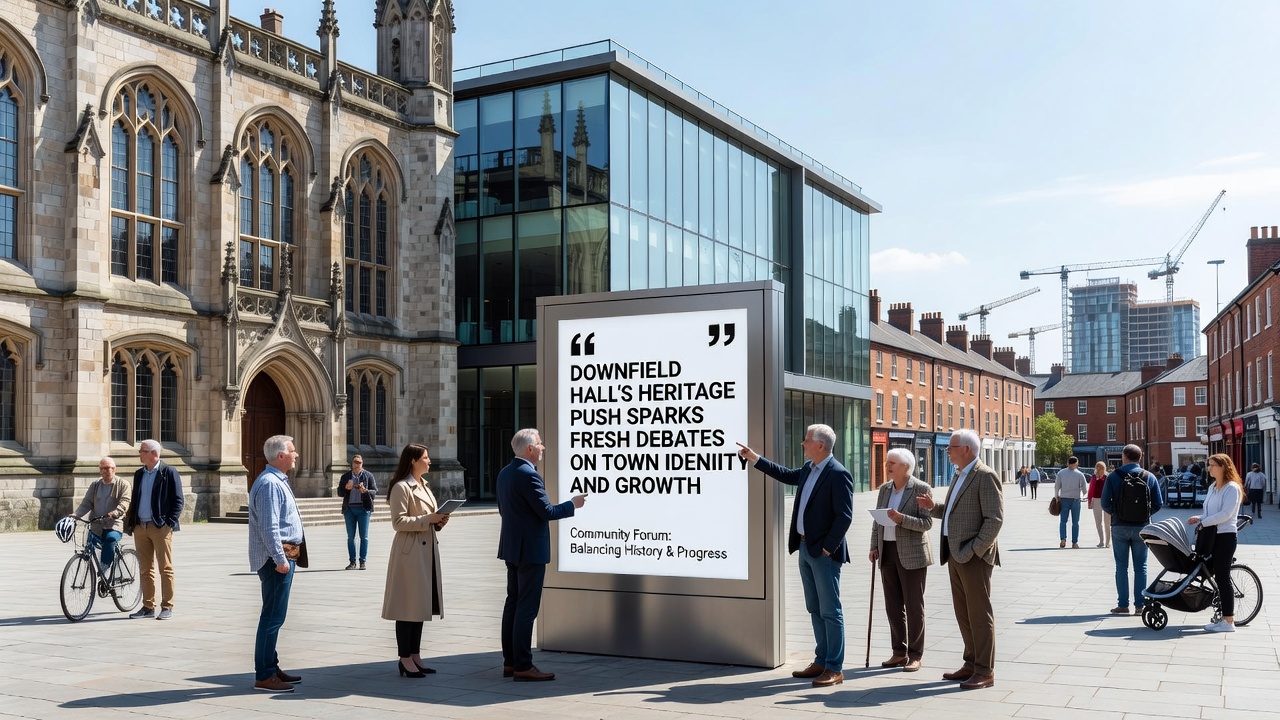
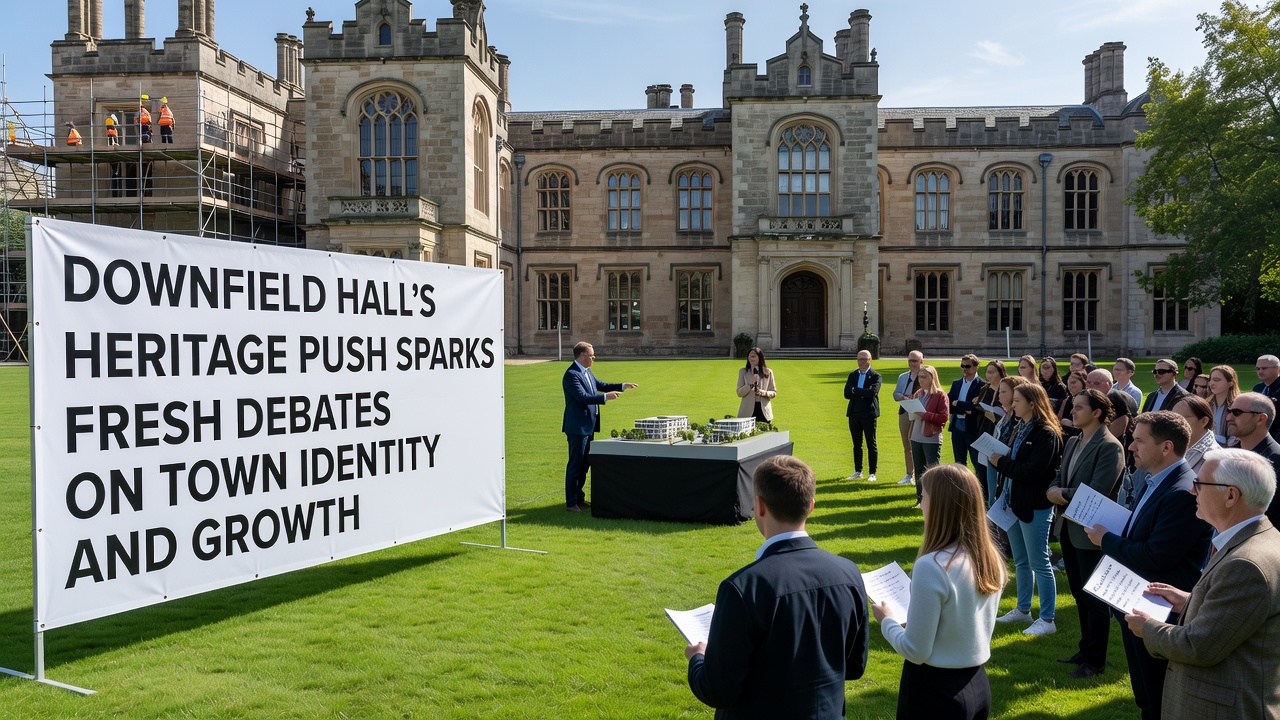
Community forums have brought together historians, developers, and residents to weigh how heritage status might define Downfield's future profile, and speakers often reference archival photos that illustrate the hall's role in past town milestones. Data indicates that towns preserving key buildings experience stronger sense of place metrics in longitudinal studies, whereas areas prioritizing rapid expansion sometimes report diluted cultural narratives over time. One study revealed that integrated approaches, such as those combining heritage walks with new public spaces, foster both continuity and innovation, and experts have observed this dynamic in multiple European contexts where policy frameworks encourage mixed-use heritage zones. But here's the thing: the discussions in Downfield also touch on accessibility improvements, and proposals include ramps and interpretive signage that align with modern standards without altering original facades.
Implications for Local Growth
Planning documents outline potential synergies between the heritage initiative and upcoming transport links, and figures from municipal reports show that protected sites can attract grant funding from national bodies focused on cultural preservation. The reality is that September 2026 marks a key consultation window where updated growth projections will incorporate feedback on the hall's status, and analysts point to similar timelines in Canadian municipal projects that integrated heritage reviews with economic forecasts. People who've examined these intersections note that transparent processes help mitigate conflicts, and examples include joint committees that review both preservation criteria and development viability in tandem. What's significant is how these efforts might influence property values nearby, with preliminary assessments suggesting modest increases in adjacent residential zones once designations finalize.
Community Engagement Efforts
Workshops scheduled throughout the year invite input on design guidelines that respect the hall's features while allowing functional updates, and attendance records indicate strong participation from diverse age groups. Academic sources such as university-led research papers on urban heritage have cataloged effective strategies like digital modeling for visualizing changes, and these tools have appeared in recent Downfield presentations. Turns out that engaging younger demographics through social media campaigns has boosted awareness, and metrics from comparable campaigns in other regions demonstrate higher retention of historical knowledge among participants. Observers note the hall's grounds could host seasonal events that blend education with recreation, thereby supporting both identity preservation and economic activity without overlapping listed topics from prior coverage.
Conclusion
Downfield Hall's evolving role illustrates broader patterns where heritage considerations intersect with growth objectives, and ongoing documentation from involved parties will track outcomes following the September 2026 reviews. Evidence from varied international examples continues to inform local strategies, and the resulting framework aims to sustain the town's distinctive character amid changing demands.